Tag: secure transactions

  • ACH vs RTP vs FedNow: When Bank Payments Beat Cards (Cost, Speed, Returns, Fraud)

    ACH vs RTP vs FedNow: When Bank Payments Beat Cards (Cost, Speed, Returns, Fraud)

    For years, cards dominated business payments because they were fast, familiar, and widely accepted. However, increasing processing fees, chargeback risks, and settlement delays have made many merchants reconsider the bank payment option.

    ACH payments, real-time networks such as RTP, and the FedNow service by the Federal Reserve are revolutionizing business-to- customer money transfer. These payment methods steer payments away from card networks and towards bank infrastructures, usually at a lower cost and with fewer intermediaries.

    There’s no doubt that the hype is not about completely replacing cards but about choosing the right tools for certain situations. Subscription billing, B2B invoicing, payroll, and large purchases are just some of the areas where bank payments have an edge over cards.

    Knowing the differences among ACH, RTP, and FedNow can help merchants identify situations where bank payments are a better option than cards in terms of cost, speed, and risk.

    Understanding ACH Payments at a Practical Level

    ACH payments transfer funds in bulk via the banking system under the Nacha rules. They have become a standard method of payment for payroll, bill pay, and recurring debit due to their low cost and predictability.

    Most of the time, settlements take one or two business days, but with same-day ACH, the timelines for various cases have been drastically shortened. The drawback, however, is that the transaction can be reversed. ACH debit returns are possible for reasons such as insufficient funds, unauthorized use, and the like, sometimes even days after the settlement.

    For merchants, this implies lower fees at the cost of high vigilance. ACH payments is ideal for situations where customers are familiar, authorization is indisputable, and there is some leeway on timing. It is not meant for instant gratification, but it is great at consistent, regular transactions where the cost factor is more important than the speed.

    ACH Costs Compared to Card Payments

    Card transaction

    Cost is one of the main advantages of ACH. Typically, the price of an ACH transaction is measured in cents rather than percentages. Card processing transactions have interchange fees, network assessments, and various pricing tiers, which add to the cost.

    High-value payments with cards will be frustrating due to the fees, so ACH will be an attractive option. However, one cannot escape the operational consequences of savings. In fact, merchants have to handle authorization records, check return codes, and follow Nacha rules. ACH isn’t a set-and-forget type of thing.

    When properly applied, it can cut payment costs enormously, especially in cases like rents, tuitions, memberships, and B2B invoices. Relative to cards, ACH reallocates the bulk of cost savings to the merchant but calls for tighter internal controls to properly manage disputes and returns.

    The RTP Network and Real-Time Settlement
    ACH payments

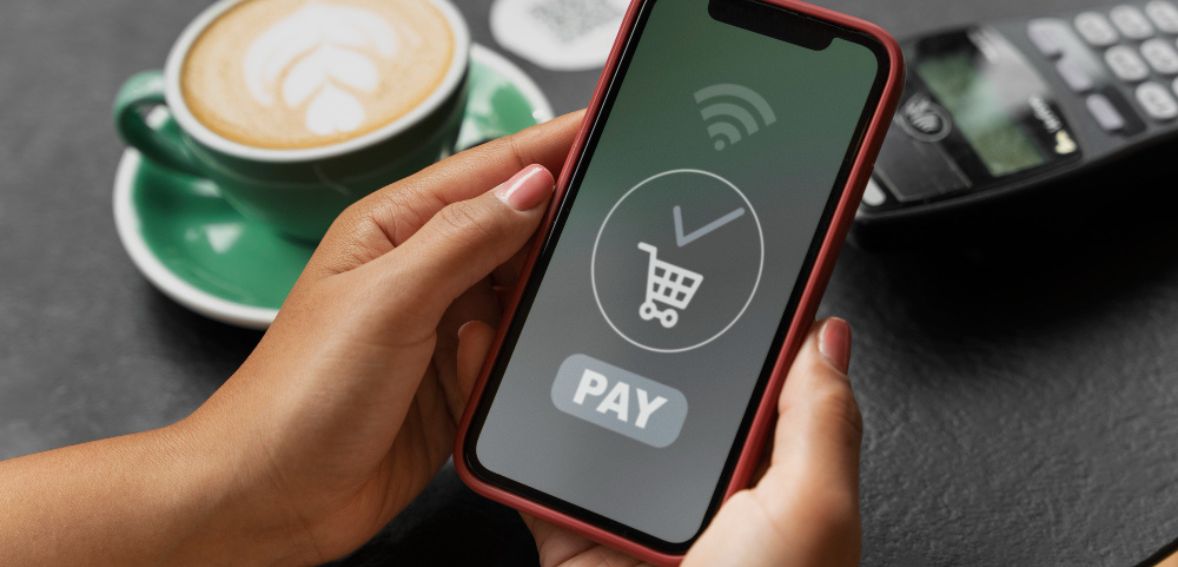
    The RTP network, which is run by The Clearing House, has brought true real-time bank payments to America. RTP transactions are settled on the spot, 24/7, and both the sender and the receiver get immediate confirmation. In contrast to ACH, RTP payments are only credit, which means that funds are pushed and not pulled.

    This setup greatly lowers the possibility of fraud and removes the risk of returns after a payment has been made. For merchants, RTP provides the speed of a card without the card’s fees. However there are some limitation.

    Not all banks have RTP, and there are limits on transactions. RTP is perfect for disbursements, refunds, insurance claims, and instant payments where it is more important to have certainty and speed than to have universal availability.

    FedNow and the Federal Reserve’s Role

    FedNow is the Federal Reserve’s instant payment service, aimed at bringing real-time payments to more financial institutions on a wider scale. FedNow is operated by the Federal Reserve, whereas RTP, which is privately operated, is not.

    Also, FedNow allows instant settlement 24/7, with funds being available in a matter of seconds. Its main objective is to become widespread among smaller and regional banks eventually. As far as merchants are concerned, FedNow is more of a long-term infrastructure change than an immediate alternative to cards or ACH.

    At present, adoption is still in the growth phase, but FedNow introduces competition in real-time payments, possibly resulting in reduced costs and extended access. Companies that are future-oriented in terms of payment methods should be familiar with FedNow’s development, even though the present-day use cases might be few.

    Speed and Settlement Compared Side by Side
    Payment processing

    Settlement speed is the main point where these systems show the biggest difference. Cards give authorization immediately, but their settlements are done within one to three days. ACH settlements are done in batches, usually the next day or later.

    Both RTP and FedNow provide instant settlements with finality. Besides convenience, speed also affects cash flow forecasting and fulfillment decisions. For digital products, it may be of no use to have instant settlement. However, for physical products, services, or payouts, it can be a game-changer.

    Instant delivery merchants have the benefits of instant confirmation. But the speed should match the operational readiness. Instant payments not only reduce float but also eliminate the time needed to detect errors.

    Returns, Reversals, and Dispute Risk

    Returns are one of the main ways in which payments from a bank differ greatly from card ones. Card payments allow chargebacks, which can happen even several months later, while there is a complicated stage in between.

    ACH returns are regulated by specific codes and timelines, which are usually shorter but still can have a big impact. RTP and FedNow payments are, on average, immediate once sent. This lack of reversibility lowers fraud but makes it more crucial to perform validation before the payment is made. Merchants have to come up with processes that will make it impossible for customers to make mistakes at the very least.

    Bank payments transfer the risk to an earlier stage of the process. Rather than battling disputes later on, companies put the money into the initial clarity of the authorization, a customer verification process, and the establishment of controls on the transaction.

    Fraud Profiles Across Payment Rails

    Different fraud patterns are attracted by each payment method. Card fraud usually entails stolen credentials and friendly fraud. ACH fraud is mostly about unauthorized debits or account takeovers.

    RTP and FedNow eliminate some of the traditional frauds, but new risks, such as social engineering and payment redirection scams, are brought up. The point of connection is that quicker payments require more robust confirmation.

    In fact, bank payments are neither inherently safer nor riskier than cards; they just shift the risk to different points. Merchants need to adjust their fraud controls accordingly. If they want to take advantage of real-time rails. Using multi-factor authentication, account verification, and transaction monitoring would be the key to their security.

    Customer Experience and Adoption Friction

    One of the most important factors is whether customers are familiar with it or not. Everybody knows about cards. But in the case of ACH, people need to trust and be informed, especially the first-time pay by bank users.

    RTP and FedNow are, for the most part, outside the consumers’ view, as these payment methods run silently through the banking apps. To optimize conversion rate, payment choice is an important factor that merchants need to consider.

    Next steps, like clear messaging, incentives, and smooth onboarding, significantly raise the adoption of bank payments. If customers get to know the benefits, such as lower fees, faster refunds, or fewer disputes, they will be much easier to convince to switch. The best strategies offer choice rather than forcing a single method.

    Merchant Use Cases Where Bank Payments Win

    Bank payments are very effective in predictable, high-value, or repeat scenarios. Subscriptions, rent, utilities, B2B invoices, insurance payouts, and payroll heavily rely on them.

    RTP and FedNow are great for the fastest disbursements and immediate confirmation. ACH is the workhorse for the recurring debits. Cards, on the other hand, are still the major player when it comes to impulse purchases and broad consumer checkout.

    Smart merchants utilize payment rails as a guide for various types of transactions, rather than treating payments as a single solution that fits all. This way, they can simultaneously optimize cost, speed, and risk.

    Compliance and Operational Considerations

    Using bank payments requires a company to be very compliant. ACH has to follow Nacha authorization and retention rules strictly. RTP and FedNow require strict controls over both initiation and approval. Moreover, compared to cards, there are fewer cases of external dispute mediation; thus, the merchants will have to act more responsibility.

    It is necessary to have proper documentation, staff training, and system integration. Payment choice is turned into an operating decision, not just a financial one. Companies that put their money into making their procedures transparent get the most out of bank payments.

    Conclusion

    Bank payments are now a strategic choice that can significantly increase risk management, cost control, and settlement speed, rather than being a specialized substitute for credit cards.

    For high-value, recurring transactions where predictability is more important than immediateness, ACH continues to be a dependable backbone. Fed and RTP Change expectations regarding cash flow and satisfaction by implementing a new standard of immediate settlement and payment certainty.

    Although they are still essential for ease and accessibility, cards are no longer the best option by default for every purchase. Instead of depending on habit, retailers who connect payment rails to specific use cases stand to gain the most. When chosen carefully, bank payments promote healthier, more robust payment operations, lower fees, and less friction.

    FAQs

    When is ACH preferable to credit card payments?

    For high-value, recurrent, or business-to-business transactions when cheap fees are more important than quick settlement, ACH works well.

    Can FedNow and RTP payments be reversed?

    Usually not. Payments are final once they are sent, which lowers the chance of chargebacks but necessitates strict upfront controls.

    Do consumers have faith in bank-based payment methods?

    Yes, adoption keeps increasing when it is described in detail and backed with recognizable banking interfaces.

    Is RTP being replaced by FedNow?

    No, FedNow enhances RTP by providing more real-time access, particularly for smaller institutions.

    Do businesses need to cease taking cards?

    No, cards are still necessary, but in many situations, bank payments can be more reliable, faster, and less expensive.
  • The Ultimate Guide to Choosing the Right Credit Card Terminal for Your Business in 2025

    The Ultimate Guide to Choosing the Right Credit Card Terminal for Your Business in 2025

    Choosing the best credit card terminal is now a front-line strategy that directly affects customer experience, transaction efficiency, and bottom-line revenue in today’s fast-paced payment environment. The payment technology landscape is changing at a dizzying rate as 2025 draws near.

    Today’s point-of-sale (POS) devices are smarter, more secure, and better connected than ever before, thanks to innovations like contactless payments and 5G terminals. The credit card terminal you select must be in line with your operations, client expectations, and future expansion, regardless of whether you’re managing a multi-location restaurant, a boutique retail store, or a mobile service company.

    This article will assist you in navigating the constantly changing options and choosing the best terminal for your particular set of business requirements.

    Understanding What a Credit Card Terminal Is—and Isn’t

    Understanding What a Credit Card Terminal Is—and Isn’t

    A credit card terminal is a piece of hardware that lets your company take payments from clients using both cards and digital wallets. Today’s terminals are much more sophisticated than the basic device with a magnetic stripe reader that this was in the past. They can process NFC (tap-to-pay) mobile wallets like Apple Pay and Google Pay, EMV chip cards, QR payments, and in certain situations, integrate with your customer management software or point of sale system.

    By 2025, terminals are multipurpose devices that support data security, inventory syncing, smooth customer checkout, and even customer loyalty. They are no longer just for dipping or swiping cards.

    Key Features to Look for in 2025

    By 2025, credit card terminals have evolved into multipurpose hubs that can do much more than just process payments. Make sure it works with all of the main payment methods first. Your terminal should, at the very least, be able to process conventional magnetic stripe cards, contactless NFC transactions (like Apple Pay and Google Pay), and EMV chip cards. Customers are expecting ACH or e-check options and QR-code payments more and more, particularly for greater flexibility in service-based and mobile environments.

    In contemporary terminals, connectivity is also essential. These days, the majority of devices have multiple network connections: Wi-Fi for standard flexibility, Ethernet for reliable in-store operations, and 4G/5G cellular support for off-site operations. Even during busy shopping hours or while on the go, this hybrid connectivity guarantees seamless, quick transactions.

    Integration is an additional important factor. Select a terminal that integrates with your entire business ecosystem, including your accounting tools, CRM, inventory software, loyalty programs, and point-of-sale system. Integrated systems improve data visibility throughout your company, cut down on errors, and eliminate manual processes. Security cannot be compromised.

    By 2025, terminals must adhere to the most recent PCI DSS standards, support device tokenization, and support end-to-end encryption. EMV authentication, secure PIN entry, and sophisticated fraud detection tools provide additional security layers, assisting you in preventing costly breaches and preserving client confidence.

    The user experience is also very important. Terminals should have user-friendly touchscreen interfaces and process payments rapidly—ideally in less than three seconds. Checkout is made easier and more enjoyable with built-in features like split payments, tipping options, and digital receipts.

    Furthermore, durability and battery life are critical for mobile businesses: robust construction and long-lasting batteries guarantee uninterrupted operation wherever you are. The importance of smart terminals is growing. These gadgets have cloud-based reporting, remote software updates, and app ecosystems. Certain models come with terminals that offer both instantaneous data syncing and offline functionality. These tools enable remote management, real-time insights, and prompt problem-solving for business owners.

    Finally, take into account the total cost of ownership, which takes into account maintenance, software licensing, hardware or rental costs, and transaction fees. The optimal terminal solution strikes a balance between operational value, flexibility, and upfront affordability.

    Decoding Terminal Types and Matching Them to Your Business

    Decoding Terminal Types and Matching Them to Your Business

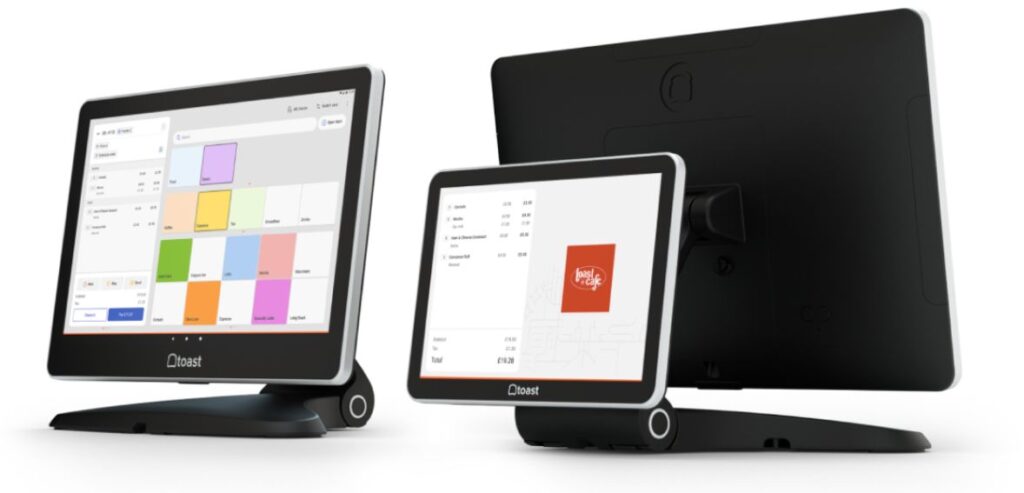
    Take into account the operating environment when selecting a terminal. A countertop terminal with strong connectivity and integration capabilities might be especially useful for a counter-based retail location. To effectively manage large volumes, a busy coffee shop or boutique might select a terminal with a touchscreen display, an integrated printer, and Ethernet/Wi-Fi support.

    Food trucks, florists, and home repair are examples of mobile or service-based businesses that require wireless or mobile terminals that are small, durable, and able to use LTE or 5G networks. These gadgets allow for flexible, mobile payments by pairing with a smartphone or tablet via Bluetooth.

    Ultra-portable readers that interact with current devices and provide inexpensive entry for short-term requirements are frequently advantageous for seasonal or pop-up operations. These solutions are perfect for fairs, marketplaces, and holiday events because they are portable and simple to set up. By 2025, the leading terminal suppliers will have hybrid models that use clever modular designs to adjust to all three modes: pop-up, mobile, and countertop.

    Why Integration and Connectivity Matter

    The terminal you have selected shouldn’t function in a vacuum. Seek out systems that integrate easily with your accounting, inventory, point-of-sale, and customer loyalty systems to optimize efficiency. In this manner, each sale records customer information, instantly updates your stock count, and enters data into financial reports without duplication. Connectivity is just as crucial.

    Multi-network terminals that automatically switch between Ethernet, Wi-Fi, and cellular networks are useful for stores with erratic internet. This guarantees uninterrupted operations and prevents payment interruptions, which is crucial during busy peak hours. Additionally, transaction data from smart terminals is sent to the cloud, where you can view informative dashboards and analytics. Numerous terminals in 2025 provide remote management and troubleshooting capabilities, enabling you to keep an eye on security and performance from any location.

    The Security Factor: Protecting Your Business and Your Customers

    The Security Factor: Protecting Your Business and Your Customers

    It’s crucial to pick a terminal with strong security features. First, before data leaves the terminal, it is scrambled thanks to device-level encryption. Tokenization safeguards consumer data at every stage by substituting secure tokens for sensitive card information. In order to lower fraud liability, terminals should support EMV chip technology and adhere to PCI DSS guidelines.

    These days, a lot of them have AI-powered fraud detection tools that instantly spot suspicious transactions. Devices should have auto-lock when not in use, secure PIN pads, and frequent over-the-air security updates for extra protection. Selecting a terminal that has these features is essential for preventing liability and preserving client trust.

    Customer Experience: Speed, Simplicity, and Satisfaction

    How long does it take for a customer to make a payment? By 2025, terminals will be designed to finish transactions in less than three seconds, which is a crucial requirement for a seamless checkout process. Both customers and employees will find intuitive touchscreen interfaces more user-friendly. It is more convenient and eco-friendly to provide digital receipts (by email or SMS).

    Because tipping, split payments, and digital wallet compatibility are expected, your terminal should easily accommodate these features. These features increase customer satisfaction and streamline operations in settings like quick-service restaurants or services with multiple payees. Additionally, devices should be robust enough to function in any environment, indoors or out, and able to withstand drops and heavy use.

    Smart Terminals and Cloud-Based Management

    Smart Terminals and Cloud-Based Management

    By 2025, smart terminals will offer analytics, remote monitoring, and embedded applications, blurring the distinction between software and hardware. These devices minimize downtime and tech headaches by allowing support staff to remotely manage them and enabling updates to roll out smoothly.

    Real-time insights into daily sales trends, peak hours, and repeat customer behavior are made possible by cloud reporting. Better staffing plans, sales tactics, and inventory decisions are made possible by having access to these analytics. Automated reward accumulation, customized promotions, and enhanced customer retention are made possible by terminals that interface with loyalty programs.

    Budgeting Wisely: Beyond Hardware Costs

    Think about more than just the cost of the hardware when you’re budgeting for your terminal. Make plans for both average and peak month usage because transaction fees are continuous and can change depending on volume and payment methods. Inquire about any monthly or license fees. Some suppliers combine software, hardware, support, and updates into a single, ongoing fee.

    When selecting a terminal, it’s also important to factor in ongoing costs like transaction charges. For a detailed breakdown, check out this guide on processing fees.

    Check the terms carefully if you’re leasing hardware because it might end up costing more in the long run than buying it outright. Additionally, take into account the price of employee training, integration costs, and possible savings on bundled services. If the terminal offers reduced transaction fees and long-term dependability, a slightly higher initial cost may be justified.

    Support and Reliability: Your Safety Net

    Even the most advanced terminals can encounter problems. For this reason, prompt assistance and strong warranties are essential. Select suppliers who provide:

    • 24/7 phone or chat assistance
    • Device replacement via mail-in or on-site
    • Software patching and remote diagnostics
    • Service-level agreements (SLAs) that are clearly defined

    Your customers will be happier if there are fewer checkout interruptions, which will increase sales.

    Making the Final Decision

    As 2025 progresses, selecting the best terminal requires matching its features to the particular requirements of your company, whether those needs are seasonal adaptability, mobile flexibility, or countertop dependability. Concentrate on:

    • Compatibility with all payment types dependable connectivity across multiple networks.
    • Comprehensive incorporation of business tools robust security and anti-fraud measures.
    • Easy checkout and convenient post-purchase Long-term expenses and vendor dependability.

     The ideal terminal serves as the cornerstone of effectiveness, security, and expansion, going beyond a simple payment device.

    Conclusion : Powering Your Business Through Smarter Payments

    By 2025, a credit card terminal will be more than just a means of collecting payments; it will be a strategic tool that influences how well your company runs and how happy your clients are. The ideal terminal facilitates all facets of your transaction flow, from contactless functionality and sophisticated security features to integration with accounting, CRM, and inventory systems. Businesses must select terminals that complement their operations and expansion objectives as customers continue to demand quicker, safer, and more flexible payment options.

    Making the correct decision now will pay off in the long run, from increasing customer trust to simplifying daily tasks. A smart, future-ready credit card terminal can help you stay competitive, improve customer experiences, and adjust to the shifting payments landscape, regardless of whether you operate a storefront, provide mobile services, or use multiple channels. Purchasing the appropriate technology now positions your company for success well into the future, not just in 2025.