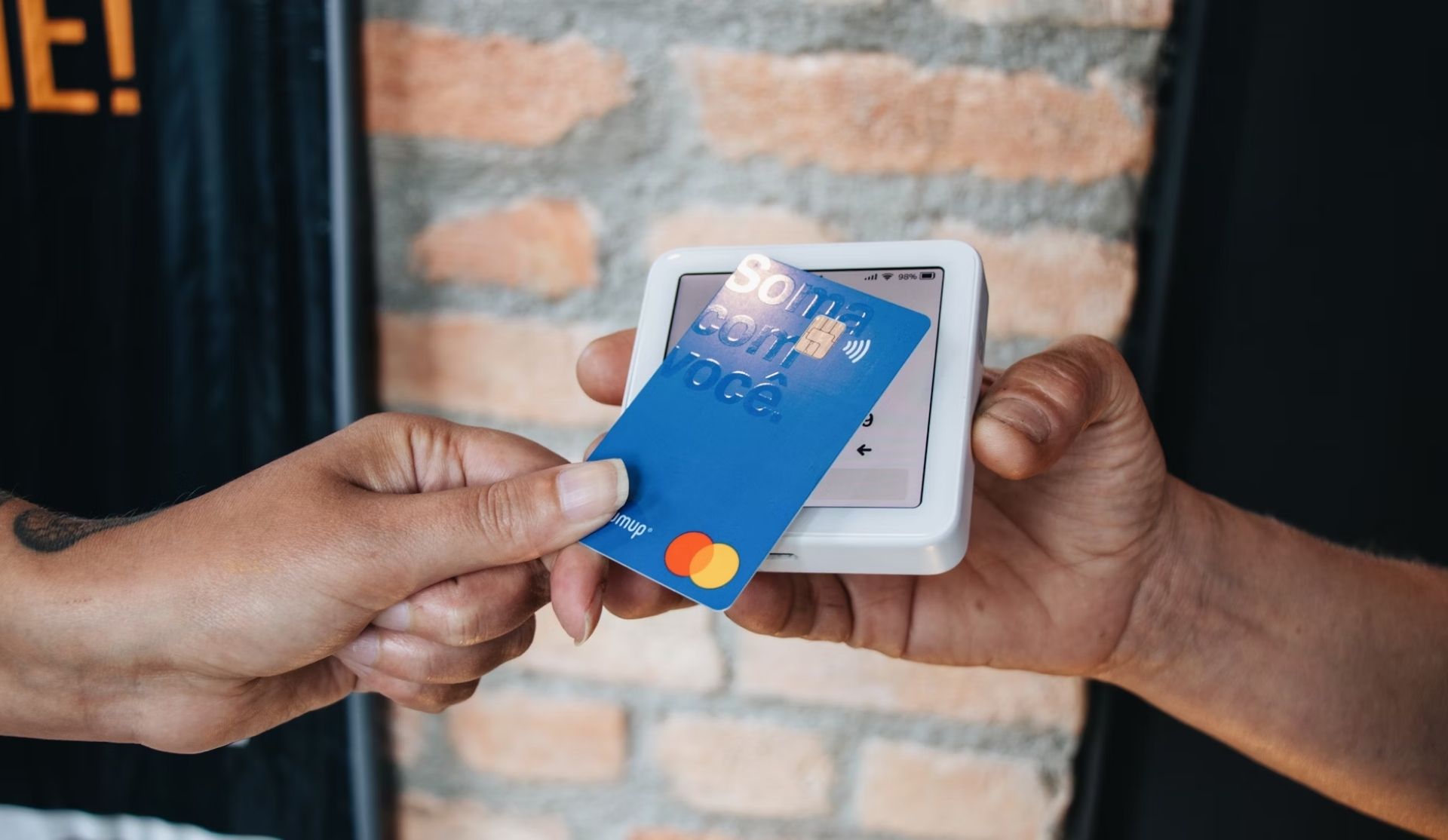
For years, cards dominated business payments because they were fast, familiar, and widely accepted. However, increasing processing fees, chargeback risks, and settlement delays have made many merchants reconsider the bank payment option.
ACH payments, real-time networks such as RTP, and the FedNow service by the Federal Reserve are revolutionizing business-to- customer money transfer. These payment methods steer payments away from card networks and towards bank infrastructures, usually at a lower cost and with fewer intermediaries.
There’s no doubt that the hype is not about completely replacing cards but about choosing the right tools for certain situations. Subscription billing, B2B invoicing, payroll, and large purchases are just some of the areas where bank payments have an edge over cards.
Knowing the differences among ACH, RTP, and FedNow can help merchants identify situations where bank payments are a better option than cards in terms of cost, speed, and risk.
Understanding ACH Payments at a Practical Level
ACH payments transfer funds in bulk via the banking system under the Nacha rules. They have become a standard method of payment for payroll, bill pay, and recurring debit due to their low cost and predictability.
Most of the time, settlements take one or two business days, but with same-day ACH, the timelines for various cases have been drastically shortened. The drawback, however, is that the transaction can be reversed. ACH debit returns are possible for reasons such as insufficient funds, unauthorized use, and the like, sometimes even days after the settlement.
For merchants, this implies lower fees at the cost of high vigilance. ACH payments is ideal for situations where customers are familiar, authorization is indisputable, and there is some leeway on timing. It is not meant for instant gratification, but it is great at consistent, regular transactions where the cost factor is more important than the speed.
ACH Costs Compared to Card Payments

Cost is one of the main advantages of ACH. Typically, the price of an ACH transaction is measured in cents rather than percentages. Card processing transactions have interchange fees, network assessments, and various pricing tiers, which add to the cost.
High-value payments with cards will be frustrating due to the fees, so ACH will be an attractive option. However, one cannot escape the operational consequences of savings. In fact, merchants have to handle authorization records, check return codes, and follow Nacha rules. ACH isn’t a set-and-forget type of thing.
When properly applied, it can cut payment costs enormously, especially in cases like rents, tuitions, memberships, and B2B invoices. Relative to cards, ACH reallocates the bulk of cost savings to the merchant but calls for tighter internal controls to properly manage disputes and returns.
The RTP Network and Real-Time Settlement

The RTP network, which is run by The Clearing House, has brought true real-time bank payments to America. RTP transactions are settled on the spot, 24/7, and both the sender and the receiver get immediate confirmation. In contrast to ACH, RTP payments are only credit, which means that funds are pushed and not pulled.
This setup greatly lowers the possibility of fraud and removes the risk of returns after a payment has been made. For merchants, RTP provides the speed of a card without the card’s fees. However there are some limitation.
Not all banks have RTP, and there are limits on transactions. RTP is perfect for disbursements, refunds, insurance claims, and instant payments where it is more important to have certainty and speed than to have universal availability.
FedNow and the Federal Reserve’s Role
FedNow is the Federal Reserve’s instant payment service, aimed at bringing real-time payments to more financial institutions on a wider scale. FedNow is operated by the Federal Reserve, whereas RTP, which is privately operated, is not.
Also, FedNow allows instant settlement 24/7, with funds being available in a matter of seconds. Its main objective is to become widespread among smaller and regional banks eventually. As far as merchants are concerned, FedNow is more of a long-term infrastructure change than an immediate alternative to cards or ACH.
At present, adoption is still in the growth phase, but FedNow introduces competition in real-time payments, possibly resulting in reduced costs and extended access. Companies that are future-oriented in terms of payment methods should be familiar with FedNow’s development, even though the present-day use cases might be few.
Speed and Settlement Compared Side by Side

Settlement speed is the main point where these systems show the biggest difference. Cards give authorization immediately, but their settlements are done within one to three days. ACH settlements are done in batches, usually the next day or later.
Both RTP and FedNow provide instant settlements with finality. Besides convenience, speed also affects cash flow forecasting and fulfillment decisions. For digital products, it may be of no use to have instant settlement. However, for physical products, services, or payouts, it can be a game-changer.
Instant delivery merchants have the benefits of instant confirmation. But the speed should match the operational readiness. Instant payments not only reduce float but also eliminate the time needed to detect errors.
Returns, Reversals, and Dispute Risk
Returns are one of the main ways in which payments from a bank differ greatly from card ones. Card payments allow chargebacks, which can happen even several months later, while there is a complicated stage in between.
ACH returns are regulated by specific codes and timelines, which are usually shorter but still can have a big impact. RTP and FedNow payments are, on average, immediate once sent. This lack of reversibility lowers fraud but makes it more crucial to perform validation before the payment is made. Merchants have to come up with processes that will make it impossible for customers to make mistakes at the very least.
Bank payments transfer the risk to an earlier stage of the process. Rather than battling disputes later on, companies put the money into the initial clarity of the authorization, a customer verification process, and the establishment of controls on the transaction.
Fraud Profiles Across Payment Rails
Different fraud patterns are attracted by each payment method. Card fraud usually entails stolen credentials and friendly fraud. ACH fraud is mostly about unauthorized debits or account takeovers.
RTP and FedNow eliminate some of the traditional frauds, but new risks, such as social engineering and payment redirection scams, are brought up. The point of connection is that quicker payments require more robust confirmation.
In fact, bank payments are neither inherently safer nor riskier than cards; they just shift the risk to different points. Merchants need to adjust their fraud controls accordingly. If they want to take advantage of real-time rails. Using multi-factor authentication, account verification, and transaction monitoring would be the key to their security.
Customer Experience and Adoption Friction
One of the most important factors is whether customers are familiar with it or not. Everybody knows about cards. But in the case of ACH, people need to trust and be informed, especially the first-time pay by bank users.
RTP and FedNow are, for the most part, outside the consumers’ view, as these payment methods run silently through the banking apps. To optimize conversion rate, payment choice is an important factor that merchants need to consider.
Next steps, like clear messaging, incentives, and smooth onboarding, significantly raise the adoption of bank payments. If customers get to know the benefits, such as lower fees, faster refunds, or fewer disputes, they will be much easier to convince to switch. The best strategies offer choice rather than forcing a single method.
Merchant Use Cases Where Bank Payments Win
Bank payments are very effective in predictable, high-value, or repeat scenarios. Subscriptions, rent, utilities, B2B invoices, insurance payouts, and payroll heavily rely on them.
RTP and FedNow are great for the fastest disbursements and immediate confirmation. ACH is the workhorse for the recurring debits. Cards, on the other hand, are still the major player when it comes to impulse purchases and broad consumer checkout.
Smart merchants utilize payment rails as a guide for various types of transactions, rather than treating payments as a single solution that fits all. This way, they can simultaneously optimize cost, speed, and risk.
Compliance and Operational Considerations
Using bank payments requires a company to be very compliant. ACH has to follow Nacha authorization and retention rules strictly. RTP and FedNow require strict controls over both initiation and approval. Moreover, compared to cards, there are fewer cases of external dispute mediation; thus, the merchants will have to act more responsibility.
It is necessary to have proper documentation, staff training, and system integration. Payment choice is turned into an operating decision, not just a financial one. Companies that put their money into making their procedures transparent get the most out of bank payments.
Conclusion
Bank payments are now a strategic choice that can significantly increase risk management, cost control, and settlement speed, rather than being a specialized substitute for credit cards.
For high-value, recurring transactions where predictability is more important than immediateness, ACH continues to be a dependable backbone. Fed and RTP Change expectations regarding cash flow and satisfaction by implementing a new standard of immediate settlement and payment certainty.
Although they are still essential for ease and accessibility, cards are no longer the best option by default for every purchase. Instead of depending on habit, retailers who connect payment rails to specific use cases stand to gain the most. When chosen carefully, bank payments promote healthier, more robust payment operations, lower fees, and less friction.
FAQs
When is ACH preferable to credit card payments?
For high-value, recurrent, or business-to-business transactions when cheap fees are more important than quick settlement, ACH works well.
Can FedNow and RTP payments be reversed?
Usually not. Payments are final once they are sent, which lowers the chance of chargebacks but necessitates strict upfront controls.
Do consumers have faith in bank-based payment methods?
Yes, adoption keeps increasing when it is described in detail and backed with recognizable banking interfaces.
Is RTP being replaced by FedNow?
No, FedNow enhances RTP by providing more real-time access, particularly for smaller institutions.
Do businesses need to cease taking cards?
No, cards are still necessary, but in many situations, bank payments can be more reliable, faster, and less expensive.